

Top supplements for cognitive health after 40: 2026 guide
Choosing a supplement for brain health is not straightforward. The market is saturated with products making bold claims, and conflicting advice makes it harder to know where to start. For adults over 40, the stakes feel higher: cognitive changes are real, and the desire to act on them is understandable. This guide cuts through the noise by applying a clear, evidence-based framework to the most researched options available. You will find practical criteria for evaluation, a review of the strongest candidates, and a decision tool to match supplements to your specific situation.
Table of Contents
- How to evaluate supplements for cognitive health
- Omega-3 fatty acids: The evidence for cognitive support
- Curcumin: Long-term benefits for cognitive health
- Other natural compounds: Ginkgo biloba, Bacopa monnieri and more
- How to choose: Matching supplements to your needs
- A fresh perspective: Why lifestyle may outperform supplements
- Enhance your cognitive health with tailored bundles
- Frequently asked questions
Key Takeaways
| Point | Details |
|---|---|
| Prioritise omega-3 supplementation | EPA/DHA (1000–2000mg daily) delivers measurable cognitive benefits for adults over 40. |
| Curcumin yields long-term gains | Best results are seen with 0.8g daily for at least 24 weeks, notably in people aged 60 or over. |
| Natural compounds are situational | Ginkgo and Bacopa may help stress and mild cognitive decline, but not always healthy cognition. |
| Lifestyle always comes first | Mediterranean diet and regular exercise outperform most supplements for cognitive health. |
| Personalise your supplement choices | Check diet, age, deficiencies, and health goals before starting any new supplement. |
How to evaluate supplements for cognitive health
Not every supplement on the shelf deserves your attention. Before spending money, it helps to apply a consistent set of criteria to any product you consider. This approach saves time and reduces the risk of wasting resources on compounds with weak evidence.
Key criteria to apply when evaluating any supplement:
- Scientific evidence: Look for randomised controlled trials or systematic reviews, not just observational data.
- Dosage clarity: The product must state exact amounts of active ingredients, not just a proprietary blend.
- Safety profile: Check for known interactions with medications you already take.
- Duration of use: Some compounds only show benefits after weeks or months of consistent use.
- Source quality: Third-party testing and transparent manufacturing standards matter.
Before starting any supplement, it is worth establishing your baseline health. A blood test can reveal deficiencies in vitamin D, B12, or iron, all of which affect cognitive function. Addressing these gaps through diet or targeted supplementation is more efficient than adding broad-spectrum products without knowing what you actually need.
It is also important to recognise that lifestyle outperforms most supplements for cognitive health. A Mediterranean-style diet, regular aerobic exercise, and quality sleep form the foundation. Supplements work best when they fill genuine gaps in an otherwise solid routine. You can read more about the advantages of nutritional supplements and how antioxidants for ageing fit into a broader strategy.
Pro Tip: Always consult your GP before starting any new supplement, particularly if you take prescription medication or have a diagnosed health condition.
Omega-3 fatty acids: The evidence for cognitive support
Of all the supplements studied for cognitive health, omega-3 fatty acids (EPA and DHA, the active forms found in fish oil) have the most consistent evidence behind them. They are a strong starting point for anyone over 40 who does not regularly eat oily fish.
A 2025 meta-analysis found that omega-3 improves attention, perceptual speed, and global cognition in adults, with standardised mean differences (SMDs) of 0.98 for attention, 0.50 for perceptual speed, and 1.08 for global cognition. The dose-response relationship peaks at around 2000mg of combined EPA and DHA per day.
Key benefits supported by evidence:
- Improved sustained attention and focus
- Faster perceptual processing speed
- Better overall cognitive performance scores
- Potential anti-inflammatory effects in brain tissue
Practical guidance for omega-3 supplementation:
- Target 1000 to 2000mg of combined EPA and DHA daily, not total fish oil.
- Choose products that clearly separate EPA and DHA content on the label.
- Opt for molecularly distilled oils to reduce heavy metal contamination risk.
- Sustainably sourced options (certified by MSC or similar) are preferable.
- Store in a cool, dark place to prevent oxidation.
Omega-3s are particularly relevant if your diet is low in oily fish such as salmon, mackerel, or sardines. The evidence for diet and healthy ageing consistently shows that food sources are preferable, but supplementation is a practical alternative when dietary intake is insufficient.
Pro Tip: Choose reputable brands that display exact EPA and DHA milligrams per serving. A label that only states “fish oil 1000mg” without breaking down EPA and DHA content tells you very little about the actual dose.
Curcumin: Long-term benefits for cognitive health
Curcumin is the active compound in turmeric, and it has attracted significant research interest for its potential effects on brain health. The evidence is particularly relevant for adults aged 60 and above, though the findings are worth considering earlier as a preventive strategy.
A clinical review found that curcumin at 0.8g daily for 24 weeks significantly improves global cognitive function, with a standardised mean difference of 0.82 (95% CI 0.19 to 1.45). The effect is most pronounced in elderly populations and requires sustained use over at least six months to show meaningful results.
“Curcumin’s cognitive benefits are maximised at 0.8g daily, sustained over 24 weeks or more.”
What to know before supplementing with curcumin:
- Standard curcumin has very poor bioavailability on its own.
- Combining it with piperine (black pepper extract) increases absorption by up to 2000%.
- Look for formulations labelled as “bioavailable” or using phospholipid complexes (such as Meriva or BCM-95).
- Results are gradual. Do not expect changes within the first few weeks.
- It is generally well tolerated, but high doses may interact with blood thinners.
Curcumin is best viewed as a long-term investment in cognitive resilience rather than a short-term fix. For guidance on how it fits within a broader supplement strategy, see our article on supplements for healthy ageing.

Other natural compounds: Ginkgo biloba, Bacopa monnieri and more
Beyond omega-3s and curcumin, several other natural compounds appear in the cognitive health literature. Their evidence base varies considerably, so it is worth understanding who they are most likely to benefit.
Ginkgo biloba has the strongest evidence among herbal options for those with existing cognitive concerns. Research shows that Ginkgo biloba and Curcuma longa improve cognition in patients with mild cognitive impairment (MCI) and Alzheimer’s Disease, with an ADAS-Cog SMD of -2.88. This is a meaningful effect size for a clinical population.
Bacopa monnieri is frequently marketed for memory and focus, but the evidence does not fully support this for healthy adults. Research confirms that Bacopa does not improve cognition in healthy adults aged 40 to 70, though it does reduce stress reactivity and fatigue. It may be worth considering if stress is a primary concern rather than cognitive decline.
| Compound | Evidence level | Recommended dose | Best suited for | Caution notes |
|---|---|---|---|---|
| Ginkgo biloba | Moderate to strong (MCI/AD) | 120 to 240mg daily | Adults with MCI or early AD | Avoid with blood thinners |
| Bacopa monnieri | Weak for cognition | 300 to 450mg daily | Stress and fatigue management | May cause GI upset initially |
| Curcuma longa | Moderate (broader protocol) | 500 to 1000mg daily | General cognitive support | Use bioavailable form |
| Omega-3 (EPA/DHA) | Strong | 1000 to 2000mg daily | Adults with low fish intake | Check for interactions |
For a broader view of evidence-backed plant compounds, see our guide on evidence-backed antioxidants.
How to choose: Matching supplements to your needs
Selecting the right supplement is not a one-size-fits-all decision. Your age, diet, health status, and goals all influence which option is most appropriate.
Step-by-step decision process:
- Request a blood test to identify any nutritional deficiencies (B12, D, iron, folate).
- Assess your weekly fish intake. If you eat oily fish fewer than twice per week, omega-3 supplementation is a logical priority.
- Consider your age. For adults over 60, curcumin at 0.8g daily is supported by clinical evidence.
- Identify your primary concern. Cognitive decline risk calls for different options than stress or fatigue.
- Review your current medications with a GP or pharmacist before adding anything new.
| Situation | Recommended supplement | Priority level |
|---|---|---|
| Low fish intake, age 40 to 60 | Omega-3 (EPA/DHA 1000 to 2000mg) | High |
| Age 60+, general cognitive support | Curcumin 0.8g daily (bioavailable form) | High |
| Mild cognitive impairment diagnosed | Ginkgo biloba 120 to 240mg | Moderate |
| High stress, poor sleep, fatigue | Bacopa monnieri 300 to 450mg | Moderate |
| Balanced diet, no deficiencies | Focus on lifestyle first | Low |
For adults over 40, prioritise omega-3 if fish intake is low, consider curcumin for long-term use, and always check for deficiencies before supplementing. More detailed guidance is available in our article on choosing healthy ageing supplements.
A fresh perspective: Why lifestyle may outperform supplements
The supplement industry is skilled at making products sound essential. But the evidence consistently tells a more measured story. Lifestyle factors outperform most supplements for long-term cognitive health. A Mediterranean-style diet, regular aerobic activity, restorative sleep, and social engagement all show stronger and more consistent effects than any single compound.
This does not mean supplements are useless. It means they work best as targeted additions to an already solid foundation. Omega-3s fill a genuine gap for those with low fish intake. Curcumin offers a meaningful long-term benefit for older adults. These are specific, evidence-based applications, not general wellness boosters.
The uncomfortable truth is that many people reach for supplements before addressing the basics. If your diet is poor, your sleep is disrupted, and you rarely exercise, no supplement will compensate for that. Start with the fundamentals, then use supplements to address specific, identified gaps. Our guide on healthy diet for cognition is a practical place to begin.
Pro Tip: Treat supplements as part of an integrated approach. They are tools, not solutions.
Enhance your cognitive health with tailored bundles
If you are ready to act on what you have read, Vivetus® offers a range of evidence-backed supplements designed for adults focused on cognitive vitality and healthy ageing. Our products are selected for quality, dosage transparency, and scientific relevance.
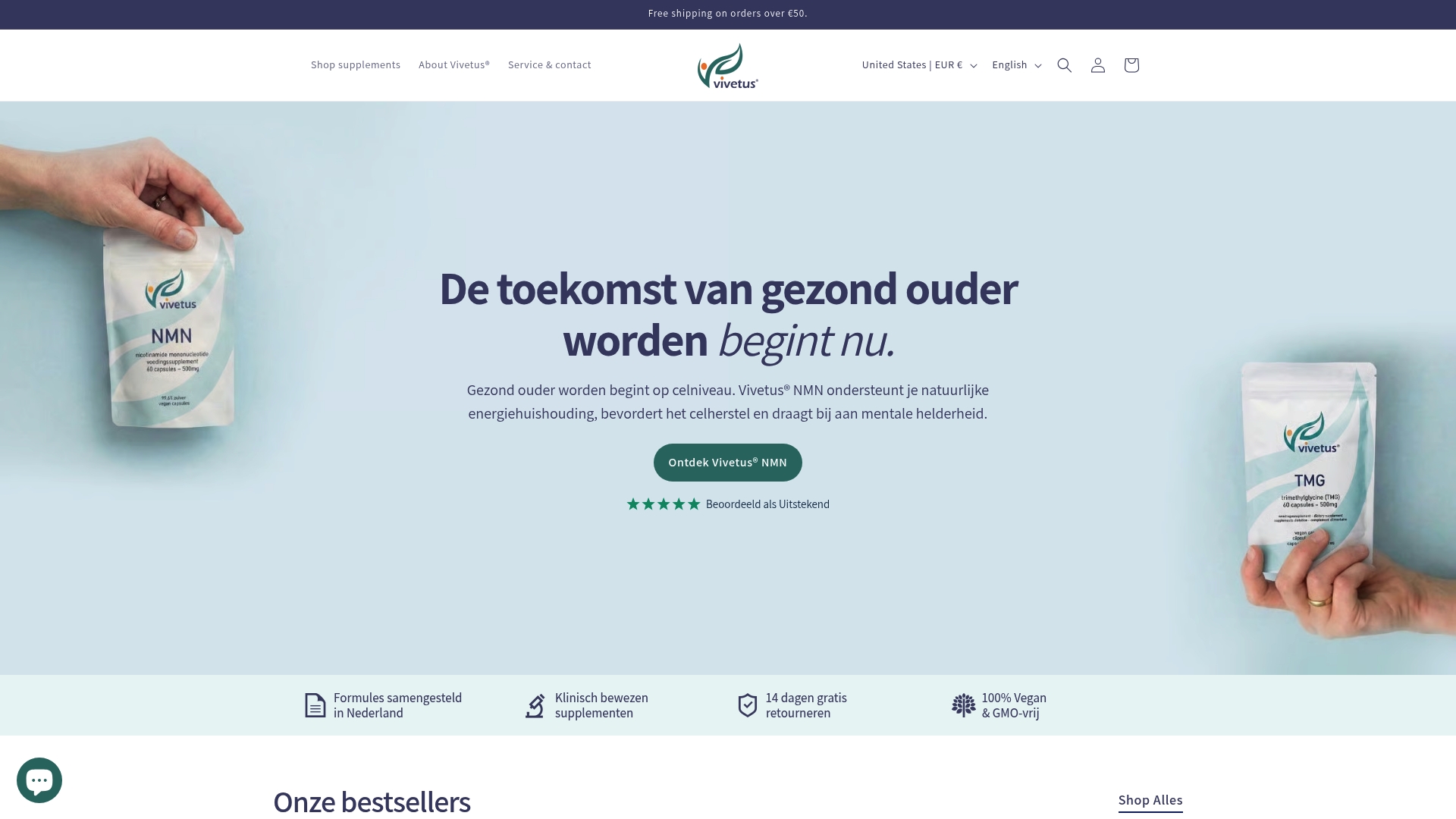
The energy and vitality bundle is a practical starting point for those looking to support both mental sharpness and overall energy levels. Each product in the range is chosen to complement a health-conscious lifestyle, not replace it. Visit Vivetus® to browse the full catalogue and find the right option for your needs. Orders over €50 qualify for free shipping across our international customer base.
Frequently asked questions
Do omega-3 supplements really improve memory and focus in adults over 40?
Yes. Omega-3s improve attention and global cognition in adults, particularly those with low dietary fish intake, at a daily dose of 1000 to 2000mg EPA and DHA combined.
Is curcumin effective for cognitive decline in older adults?
Curcumin at 0.8g daily is clinically shown to improve global cognitive function in adults aged 60 and above when taken consistently for 24 weeks or longer.
Are Ginkgo biloba and Bacopa monnieri recommended for everyone?
No. Ginkgo improves cognition in MCI and AD patients, while Bacopa reduces stress and fatigue but does not improve cognition in healthy adults.
How should I choose supplements if I already follow a Mediterranean-type diet and exercise regularly?
Test for deficiencies such as B12 and vitamin D first. If fish intake is low, prioritise omega-3 supplementation and use other supplements only to bridge specific nutritional gaps.