
Top nutritional products for healthy ageing: 5 evidence-backed picks
TL;DR:
- Evidence supports multivitamin-multimineral, protein, and targeted micronutrient supplements for healthy aging.
- Select products with clinical testing, appropriate doses, third-party verification, and age-specific formulations.
- Consistent use of proven basics, combined with regular activity and monitoring, optimizes health after 50.
Choosing the right nutritional products at 50 and beyond is not straightforward. The market is crowded with options, and separating genuine evidence from clever marketing takes time most people do not have. For health-conscious adults, the stakes are real: the wrong choices waste money, while the right ones can meaningfully support energy, strength, and long-term vitality. This guide cuts through the noise by focusing on specific product categories with solid clinical backing. Each section covers what the research actually shows, who benefits most, and what to look for when selecting a product.
Table of Contents
- How to select nutritional products for healthy ageing
- Multivitamin-multimineral solutions: Filling dietary gaps
- Protein and amino acid supplements: Boosting strength and mobility
- Functional nutrition drinks and oral nutrition supplements
- Coenzyme Q10 and targeted micronutrient support
- Our perspective: Rethinking nutritional products after 50
- Explore evidence-backed nutrition support now
- Frequently asked questions
Key Takeaways
| Point | Details |
|---|---|
| Multivitamins slow ageing markers | Evidence shows multivitamin-multimineral products provide broad nutritional support and modest slowing of biological ageing. |
| Protein supplements enhance strength | Protein and amino acid solutions improve grip, mobility, and IGF-1, especially for those with insufficient dietary protein. |
| ONS boost function and weight | Oral nutrition supplements help increase weight, BMI, and functional outcomes in seniors. |
| CoQ10 and micronutrients support vitality | CoQ10 and key micronutrients like vitamin D, B12 and calcium are vital for cardiovascular health and correcting deficiencies. |
| Evidence-based choices matter | Selecting products backed by clinical research ensures the best outcomes for adults aged 50 and above. |
How to select nutritional products for healthy ageing
Before spending on any supplement, it helps to understand which nutritional gaps are most common after 50. The body absorbs certain nutrients less efficiently with age, and dietary intake often falls short. According to the Linus Pauling Institute, vitamin D, B12, and calcium are among the most critical micronutrients for adults in this age group, and deficiencies in these are widespread. Identifying your own gaps through a blood test before supplementing is always the most practical first step.
Selecting the right product also means reading labels carefully. Not all supplements are created equal, and clinical testing matters far more than bold packaging claims. Here are the key criteria to apply when evaluating any nutritional product:
- Clinically tested ingredients: Look for products where the active ingredients have been studied in human trials, not just in laboratory settings.
- Appropriate dosages: A product listing a nutrient does not mean it contains a meaningful amount. Compare label doses to those used in clinical studies.
- Third-party verification: Certifications from organisations such as NSF International or USP indicate independent quality testing.
- Age-specific formulations: Products designed for adults 50 and over account for changed absorption rates and different daily requirements.
- Minimal unnecessary additives: Avoid products with excessive fillers, artificial colours, or undisclosed proprietary blends.
Combining supplements with regular physical activity also matters. Exercise and micronutrients work together, and supplementing without movement produces weaker results. You can review steps to select products that align with your specific health profile for a more personalised approach.
Pro Tip: Before purchasing any new supplement, ask your GP or pharmacist to check your current micronutrient levels. This prevents unnecessary spending and reduces the risk of exceeding safe upper limits for nutrients like vitamin D and calcium.
Multivitamin-multimineral solutions: Filling dietary gaps
With selection criteria set, the first specific product category worth examining is the multivitamin-multimineral supplement. These are among the most widely used nutritional products for older adults, and for good reason. Products such as Centrum Silver are formulated specifically for the 50 and over demographic, adjusting nutrient ratios to reflect age-related changes in absorption and requirement.
The most compelling recent evidence comes from the COSMOS randomised controlled trial. Results published in Nature Medicine showed that multivitamin-multimineral supplements modestly slow biological ageing markers as measured by epigenetic clocks in older adults. This is a meaningful finding because epigenetic ageing reflects cellular health, not just chronological age.
Who benefits most from this category?
- Adults with limited dietary variety or restricted caloric intake
- Those with confirmed low levels of one or more micronutrients
- Older adults with conditions that impair nutrient absorption, such as atrophic gastritis
- People who have recently changed their diet significantly
Who may not need a standard multivitamin? Adults already eating a varied, nutrient-dense diet and with no confirmed deficiencies may see limited additional benefit. As Harvard Health advises, supplements complement diet rather than replace it.
“Multivitamins offer small but broad nutritional support. For older adults with dietary gaps, even modest effects on ageing markers represent meaningful value.” — Nutritional science consensus, 2026
The key takeaway is that multivitamin-multimineral products are not magic. They provide a safety net for nutritional gaps and, based on current evidence, may support healthier biological ageing at the cellular level. For a broader overview of options, the supplements guide 2026 provides further context on product selection.
Protein and amino acid supplements: Boosting strength and mobility
Beyond multivitamins, maintaining physical strength and mobility is one of the most important goals for healthy ageing. Sarcopenia, the age-related loss of muscle mass and function, affects a significant proportion of adults over 60. Protein and amino acid supplements are among the most evidence-backed tools for addressing this.

A clinical trial published in PMC confirmed that protein-based multinutrient therapy improves handgrip strength, gait speed, and IGF-1 levels in sarcopenic older adults. IGF-1 is a key hormone involved in muscle maintenance, making this a particularly relevant outcome for this age group.
Common protein supplement types for adults 50 and over include:
- Whey protein concentrate or isolate: Fast-absorbing, well-studied, and effective for post-exercise muscle synthesis.
- Casein protein: Slower-digesting, suitable for evening use to support overnight muscle repair.
- Essential amino acid blends (EAA): Targeted formulations that provide the building blocks muscle tissue cannot produce independently.
- Plant-based protein blends: Pea, rice, or hemp combinations suitable for those avoiding dairy.
| Supplement type | Key benefit | Best timing |
|---|---|---|
| Whey protein | Fast muscle synthesis | Post-exercise |
| Casein protein | Overnight muscle repair | Before sleep |
| EAA blend | Targeted muscle support | Any time |
| Plant-based blend | Dairy-free option | Flexible |
The advantages of supplements for muscle health are well-documented, and the anti-ageing nutrition guide covers how protein fits into a broader nutritional strategy after 40.
Pro Tip: Pair protein supplements with resistance training at least twice per week. Clinical data consistently shows that the combination produces significantly greater improvements in strength and function than either approach alone.
Functional nutrition drinks and oral nutrition supplements
For those prioritising practical boosts to function and weight, oral nutrition supplements (ONS) and functional drinks offer an accessible option. These products are designed to be consumed easily, making them particularly useful for older adults with reduced appetite or difficulty preparing meals.
Clinical evidence supports their effectiveness. A systematic review published in BMC Nutrition found that ONS increase body weight, BMI, grip strength, and gait speed in older adults. These are not trivial outcomes. Grip strength and gait speed are both reliable predictors of long-term health and independence.
Popular ONS formats include ready-to-drink bottles such as Ensure and Fortisip, as well as powder-based drinks that can be mixed into food or beverages. Here is a comparison of ONS against other nutritional solutions:
| Solution type | Ease of use | Evidence strength | Best suited for |
|---|---|---|---|
| Oral nutrition supplements | High | Strong | Low appetite, weight maintenance |
| Protein powders | Moderate | Strong | Muscle loss, active adults |
| Multivitamin tablets | High | Moderate | Dietary gap filling |
| Functional food products | High | Moderate | General nutritional support |
Ideal situations for choosing ONS over other formats include:
- Unintentional weight loss or difficulty maintaining a healthy BMI
- Recovery from illness, surgery, or hospitalisation
- Reduced appetite due to medication or age-related changes
- Difficulty chewing or swallowing solid foods
For more on this category, the ONS guide for seniors and the graceful ageing supplements resource both provide practical product guidance.
Coenzyme Q10 and targeted micronutrient support
Often overlooked in standard supplement routines, targeted micronutrients and CoQ10 can help address specific health needs that broad multivitamin formulas may not fully cover. Coenzyme Q10 is a compound the body produces naturally, but levels decline with age and can be further reduced by statin medications, which are commonly prescribed to older adults.
The Mayo Clinic notes that CoQ10 may improve heart failure symptoms, lower blood pressure, and support cellular energy production in ageing adults. For those on statins who experience muscle fatigue or weakness, CoQ10 supplementation is frequently recommended by clinicians.
“CoQ10 has a well-established safety profile with few reported side effects at standard doses. For older adults on statins or with cardiovascular concerns, it is one of the more practical targeted supplements available.” — Clinical pharmacology perspective, 2026
Beyond CoQ10, targeted single-nutrient products serve specific deficiency needs:
- Vitamin D3: Supports bone density, immune function, and mood regulation. Deficiency is extremely common in adults over 50, particularly in northern climates.
- Vitamin B12: Absorption declines with age due to reduced stomach acid. Sublingual or methylcobalamin forms are often better absorbed than standard tablets.
- Calcium with vitamin K2: Supports bone mineral density. K2 helps direct calcium into bones rather than soft tissues.
- Magnesium glycinate: Supports sleep quality, muscle function, and cardiovascular health, all of which can decline with age.
For a structured approach to micronutrient strategies tailored to the 50 and over age group, further reading is available to help you prioritise based on your individual health profile.
Our perspective: Rethinking nutritional products after 50
Having reviewed the major product categories and the evidence behind them, one pattern stands out clearly. Most adults over 50 do not need exotic blends or premium-priced superfoods. They need consistent use of well-evidenced basics, combined with regular movement and periodic monitoring of their nutritional status.
The supplement industry profits from novelty. New ingredients generate attention, but the clinical evidence for most trendy products is thin compared to what exists for vitamin D, protein, CoQ10, and multivitamin-multimineral formulas. Chasing the latest botanical extract often means spending more while achieving less.
The supplement advantages that matter most are not dramatic. They are cumulative and quiet: slightly better muscle retention, marginally improved energy, a small but real reduction in biological ageing markers. These effects compound over years, not weeks.
Our recommendation is straightforward. Start with what the evidence supports, track how you feel, and adjust based on confirmed deficiencies. The anti-ageing insights available through current research consistently point to the same conclusion: proven basics, applied consistently, outperform complex and costly alternatives.
Explore evidence-backed nutrition support now
For those ready to take action, Vivetus offers a curated range of scientifically supported nutritional products designed specifically for adults focused on healthy ageing. Every product in the catalogue aligns with the evidence reviewed in this article.
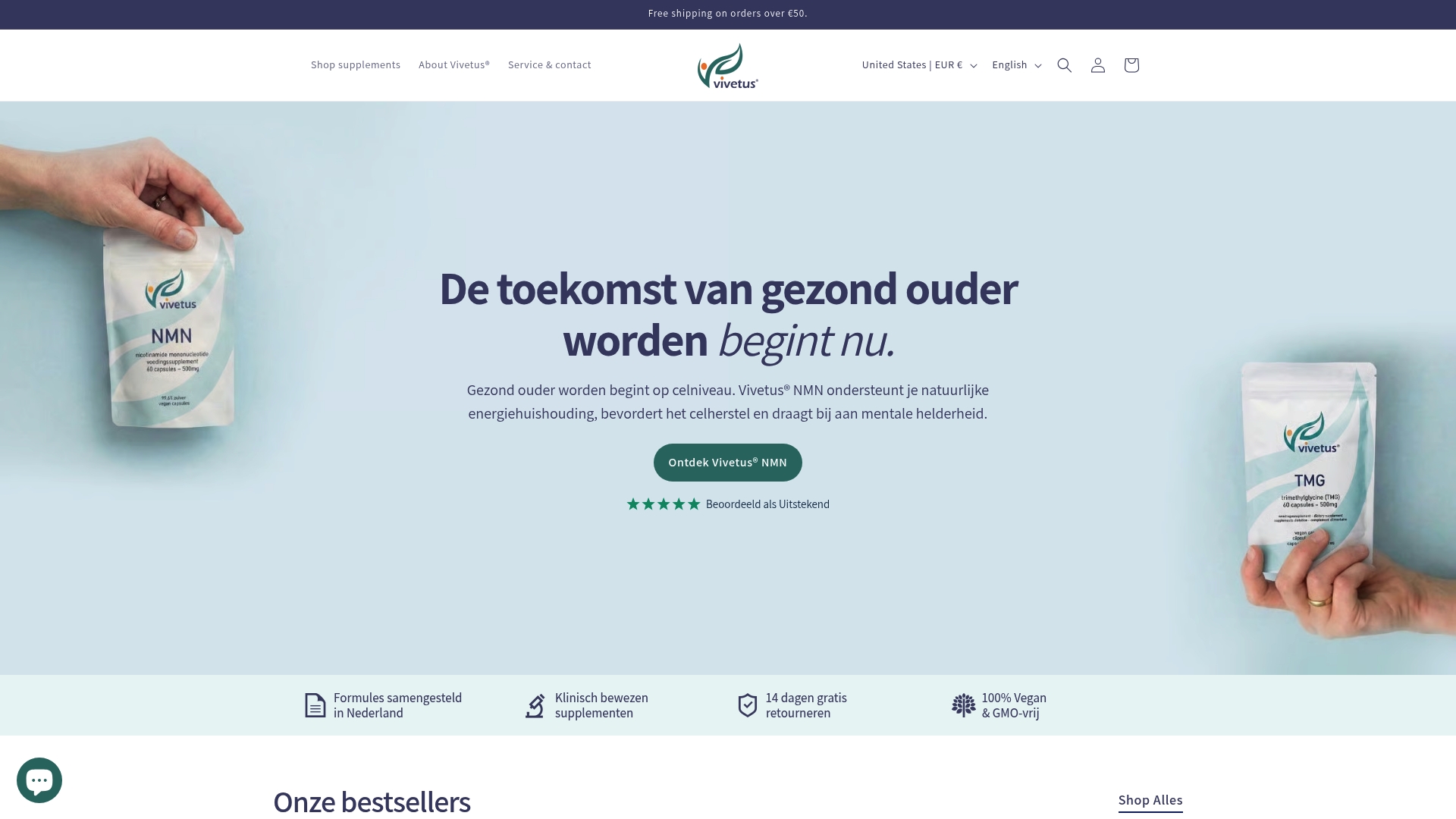
Whether you are exploring multivitamin-multimineral formulas, protein supplements, or targeted micronutrient products, the healthy ageing guide provides additional context to help you make informed choices. Free shipping is available on orders over €50, making it straightforward to start or expand your nutritional support routine with confidence.
Frequently asked questions
Which nutritional products have the best evidence for adults over 50?
Multivitamin-multimineral, protein supplements, ONS, and targeted micronutrient products show solid clinical support for healthy ageing, with MVM supplements showing measurable effects on epigenetic ageing markers in randomised trials.
Do protein supplements help with age-related muscle loss?
Yes. Protein-based multinutrient therapy improves handgrip strength, gait speed, and IGF-1 in sarcopenic older adults, particularly those with low baseline protein intake.
Are nutrition drinks like ONS effective for seniors?
ONS have been shown to increase body weight, BMI, grip strength, and gait speed in older adults across multiple clinical studies, making them a practical option for those with reduced appetite.
Is CoQ10 safe and useful for older adults?
CoQ10 is generally safe at standard doses and may support heart health and energy production, particularly for adults on statin medications where natural CoQ10 levels are reduced.
Should I take vitamin D, B12 or calcium supplements after 50?
Vitamin D, B12, and calcium are commonly recommended for adults over 50, especially when blood tests confirm deficiency or dietary intake is insufficient.