
How antioxidants support healthy ageing: 5 key facts
TL;DR:
- Balance, dietary diversity, and lifestyle are more effective for healthy aging than antioxidant supplements alone.
- Whole-food sources of antioxidants from plants support cellular health better than isolated, high-dose supplements.
- Combining regular exercise with a nutritious diet enhances vitality and counters age-related decline.
Most people over 30 assume that loading up on antioxidant supplements is a straightforward strategy for slowing the clock. The reality is more nuanced. Oxidative stress, the process by which unstable molecules damage your cells, is a genuine driver of ageing, but the solution is not simply taking more antioxidants. The science points to balance, dietary diversity, and lifestyle synergy as the real levers. This guide walks through what oxidative stress actually does, how different antioxidants function, which dietary sources carry the strongest evidence, and where supplement use can go wrong.
Table of Contents
- Understanding oxidative stress and the ageing process
- How antioxidants work: Types and mechanisms
- Dietary antioxidants for healthy ageing: What actually works?
- The facts: Exercise, antioxidants, and vitality after 30
- Risks and controversies: Limitations of antioxidant supplements
- Our take: Why smart, balanced choices beat the antioxidant hype
- Find your path to healthy ageing with Vivetus®
- Frequently asked questions
Key Takeaways
| Point | Details |
|---|---|
| Oxidative stress and ageing | Ageing involves cellular damage from oxidative stress but requires a balance for overall health. |
| Whole-food antioxidants best | Natural antioxidants from a colourful, varied diet are safer and more effective than high-dose supplements. |
| Synergy with exercise | Antioxidants and regular physical activity work together to improve strength and vitality after 30. |
| Supplements’ potential risks | High-dose antioxidant supplements can be ineffective or risky, so consult a professional before use. |
Understanding oxidative stress and the ageing process
To understand antioxidants properly, you first need to understand what they are countering. Oxidative stress occurs when your body produces more reactive oxygen species (ROS) than it can neutralise. ROS are chemically unstable molecules generated during normal metabolic activity, including breathing and energy production. They become problematic when they accumulate faster than your natural defences can manage.
The damage ROS cause is wide-ranging. ROS and cellular aging research confirms they attack DNA strands, alter protein structures, and degrade cellular membranes. Over time, this contributes to what scientists call cellular senescence, where cells stop dividing and functioning properly, and mitochondrial dysfunction, where your cells’ energy centres lose efficiency. According to Frontiers in Aging, oxidative stress drives ageing by damaging DNA, proteins, and lipids, leading directly to these cellular failures and age-related diseases.
The visible effects include skin changes, reduced tissue elasticity, and slower wound healing. The invisible effects are arguably more significant: increased inflammation, declining immune response, and greater susceptibility to chronic disease. Understanding anti-ageing nutrition basics helps frame why what you eat matters so much in this context.
Here is what oxidative damage contributes to as you age:
- DNA mutations and impaired repair mechanisms
- Protein misfolding, linked to neurodegeneration
- Lipid peroxidation in cell membranes, reducing cellular integrity
- Mitochondrial decline, reducing energy output
- Chronic low-grade inflammation, accelerating tissue ageing
“Not all ROS are harmful. The body uses low levels of these molecules for cell signalling, immune defence, and adaptation. The goal is regulation, not elimination.”
This distinction matters enormously. Trying to eliminate all oxidative stress is not only impossible but counterproductive, as you will see in later sections.
How antioxidants work: Types and mechanisms
Understanding the source of oxidative stress, the next step is demystifying how antioxidants actually work. The body uses two broad categories: enzymatic and non-enzymatic antioxidants.
Enzymatic antioxidants are proteins your body produces internally. The three most important are superoxide dismutase (SOD), which converts superoxide radicals into less harmful compounds; catalase, which breaks down hydrogen peroxide into water and oxygen; and glutathione peroxidase (GPx), which neutralises lipid peroxides. These are your first line of defence and operate continuously at the cellular level.
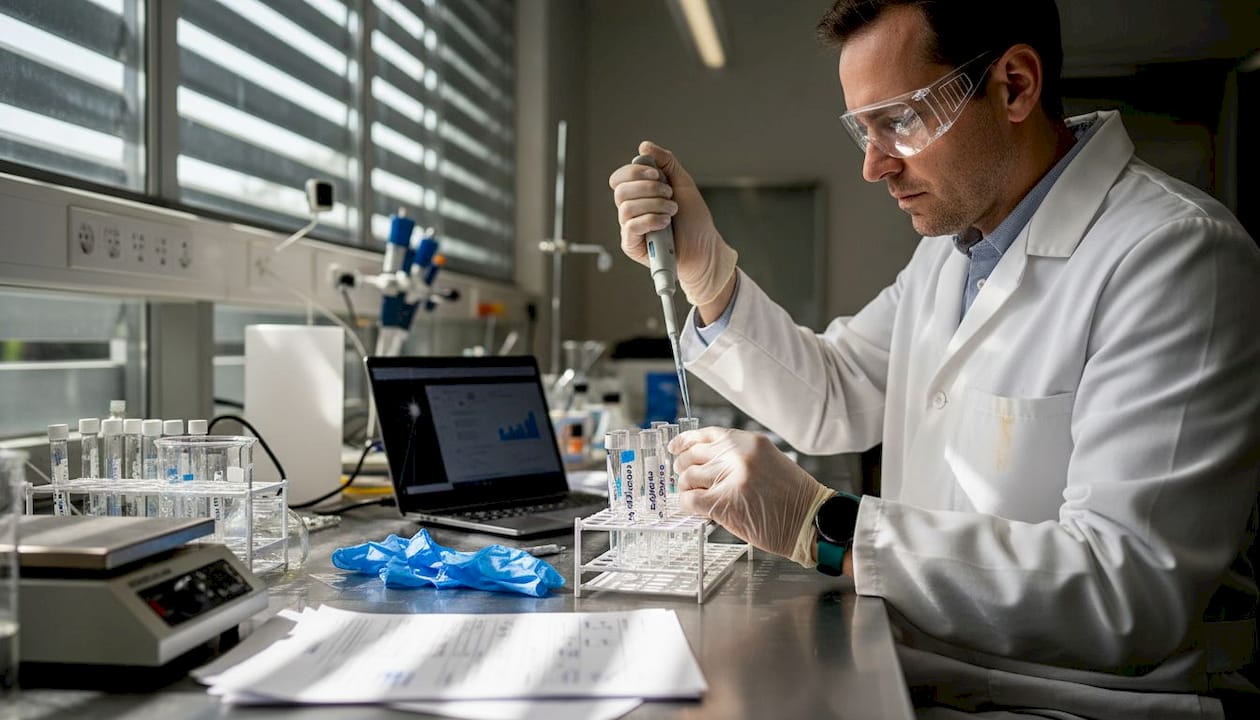
Non-enzymatic antioxidants come primarily from your diet. These include vitamins C and E, polyphenols found in plant foods, and glutathione obtained through food and synthesis. As confirmed by antioxidant defence types research, antioxidants neutralise ROS through both enzymatic and non-enzymatic pathways, with each type playing a distinct and complementary role.
| Antioxidant type | Key examples | Primary action | Main sources |
|---|---|---|---|
| Enzymatic | SOD, catalase, GPx | Neutralise ROS internally | Produced by the body |
| Vitamin-based | Vitamins C, E | Donate electrons to stabilise ROS | Citrus, nuts, seeds |
| Polyphenols | Flavonoids, resveratrol | Scavenge free radicals, reduce inflammation | Berries, tea, dark chocolate |
| Glutathione | Reduced glutathione | Master intracellular antioxidant | Cruciferous vegetables, supplements |
| Carotenoids | Beta-carotene, lycopene | Quench singlet oxygen, protect membranes | Tomatoes, carrots, leafy greens |
Food-based antioxidants benefit from what researchers call the matrix effect: the natural compounds in whole foods work together in ways that isolated supplements cannot replicate. Learning how antioxidants support vitality in practice starts with recognising this distinction.
Pro Tip: Rather than relying on a single high-dose supplement, aim for a wide variety of plant foods daily. Diversity in antioxidant sources activates multiple protective pathways simultaneously.
Dietary antioxidants for healthy ageing: What actually works?
Now that you know how antioxidants function, it is vital to consider where to find the most effective ones and whether all options are equal. The evidence consistently favours whole-food sources over isolated supplements.
The most studied dietary antioxidants include polyphenols (particularly flavonoids), vitamins C and E, carotenoids such as beta-carotene and lycopene, and selenium. These compounds appear across colourful fruits, vegetables, legumes, nuts, and whole grains. Research published in the BMC Journal of Physiological Anthropology confirms that dietary antioxidants from plants may mitigate oxidative damage and improve metabolic health, though their direct impact on lifespan remains under investigation.
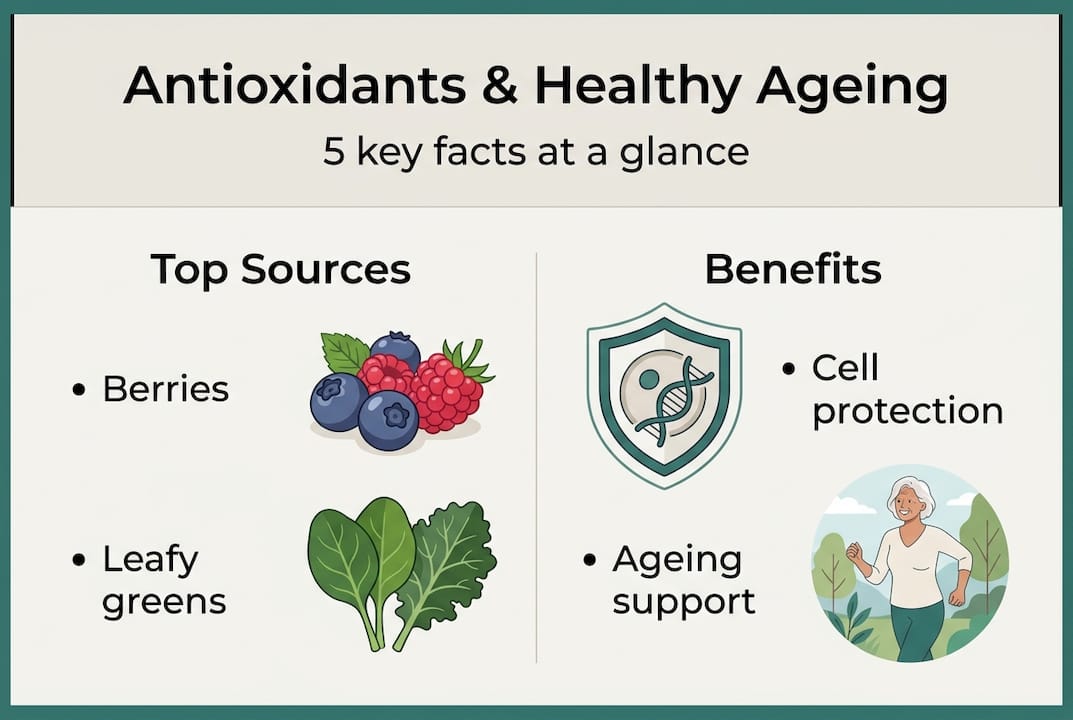
The Mediterranean diet is the most consistently supported dietary pattern in ageing research. It emphasises olive oil, fish, legumes, whole grains, and an abundance of colourful produce, providing a broad spectrum of antioxidants alongside fibre, healthy fats, and anti-inflammatory compounds. Studies on how diet protects cells point to this combination as more protective than any single nutrient.
| Source | Efficacy evidence | Synergy potential | Risk of excess |
|---|---|---|---|
| Whole foods | Strong, consistent | High (matrix effect) | Very low |
| Food-based supplements | Moderate | Moderate | Low to moderate |
| Isolated high-dose supplements | Mixed to weak | Low | Moderate to high |
To incorporate more antioxidants into your daily meals, follow these steps:
- Add a handful of berries to breakfast each morning.
- Replace refined grains with whole grains such as oats, quinoa, or brown rice.
- Include a serving of dark leafy greens at lunch or dinner.
- Snack on a small portion of mixed nuts or seeds.
- Use olive oil as your primary cooking fat.
- Drink green or herbal tea in place of sugary beverages.
Exploring best antioxidant foods and nutrition for seniors provides further practical guidance on building these habits consistently.
Pro Tip: Rotating your fruit and vegetable choices week by week exposes your body to a broader range of phytonutrients than eating the same foods repeatedly, even if those foods are individually nutritious.
The facts: Exercise, antioxidants, and vitality after 30
Many wonder whether diet alone is enough. The evidence suggests that antioxidants paired with physical activity support real-world vitality more effectively than either approach alone.
Clinical research has examined what happens when older adults combine regular exercise with adequate dietary antioxidant intake. The results are encouraging. A meta-analysis in Scientific Reports found that antioxidants combined with exercise improve muscle strength, walking speed, and physical function in older adults, outcomes that matter significantly for independence and quality of life.
| Outcome measured | Effect of exercise alone | Effect of antioxidants alone | Combined effect |
|---|---|---|---|
| Muscle strength | Moderate improvement | Minimal | Strongest improvement |
| Walking speed | Moderate improvement | Minimal | Consistent improvement |
| Physical endurance | Good improvement | Minimal | Enhanced and sustained |
| Inflammatory markers | Reduced | Reduced | Greatest reduction |
The synergistic benefits of this pairing relate to how exercise and antioxidants interact at the cellular level. Exercise generates a controlled burst of ROS, which signals the body to strengthen its own antioxidant defences. Dietary antioxidants then support recovery without blunting this adaptive signal. Understanding the diet and vitality link helps clarify why neither element should be treated in isolation.
Key realistic benefits you can expect from this combined approach:
- Improved muscle retention and reduced age-related muscle loss
- Better cardiovascular endurance over time
- Reduced post-exercise inflammation and faster recovery
- Improved markers of metabolic health, including blood glucose regulation
“The body is not a passive recipient of antioxidants. It adapts, responds, and builds its own defences when given the right inputs through food, movement, and recovery.”
One persistent myth is that taking high-dose antioxidant supplements before or after exercise will speed up results. Current evidence does not support this and, as the next section explains, may actually interfere with the adaptation process.
Risks and controversies: Limitations of antioxidant supplements
Despite their popularity, not all antioxidant approaches are equally safe or effective. High-dose antioxidant supplementation carries real risks that are often overlooked in marketing.
The hormesis theory offers a useful framework here. Hormesis describes how low doses of a stressor, including ROS, trigger beneficial adaptations, while high doses cause harm. A related concept, mitohormesis, applies specifically to mitochondria: mild oxidative stress signals these energy centres to become more efficient and resilient. Flooding the system with antioxidants can suppress this signal entirely.
Research published by the Canadian Journal on Aging critiques the free radical theory of ageing and confirms that high-dose antioxidant supplements are often ineffective or harmful, while low ROS levels induce beneficial hormetic responses. The supplement safety debate continues to evolve, but the direction of evidence is clear.
Key risks associated with high-dose isolated antioxidant supplements:
- Beta-carotene supplements increase lung cancer risk in smokers
- High-dose vitamin E has been linked to increased all-cause mortality in some studies
- Excess supplementation may blunt training adaptations in athletes
- Some antioxidants interact with chemotherapy and other medications
- Unregulated products carry contamination and dosing inconsistency risks
Reviewing natural vs synthetic antioxidants provides a clearer picture of where supplementation is justified and where it is not. The consistent recommendation from researchers is to consult a healthcare provider before starting any antioxidant supplement regimen, particularly if you have an existing health condition or take prescription medication.
Our take: Why smart, balanced choices beat the antioxidant hype
The supplement industry has done a thorough job of framing antioxidants as a category of products rather than a property of food. This framing encourages people to reach for a capsule rather than a handful of blueberries, and the science consistently shows that is the wrong direction.
What the evidence actually supports is straightforward: a varied, plant-rich diet provides antioxidants in the forms and combinations your body is best equipped to use. Add regular physical activity, adequate sleep, and stress management, and you have a genuinely effective anti-ageing strategy. No single supplement replicates this.
We believe the most practical approach is to prioritise a Mediterranean-style diet, rotate your fruit and vegetable choices regularly, and treat supplements as targeted support rather than a foundation. If you are considering supplementation, base that decision on nutrition wisdom for longevity and specific, identified needs rather than general marketing claims.
Find your path to healthy ageing with Vivetus®
If you are ready to take control of your ageing journey with practical support, here is where to start.
At Vivetus®, the focus is on science-backed resources and nutritional products that align with what the evidence actually supports. Whether you are looking to refine your dietary approach, understand which supplements are genuinely useful, or build a more structured wellness plan, the tools are available to help you make informed decisions.
Explore the expert nutrition guide for practical, evidence-based strategies tailored to healthy ageing after 30. From dietary planning to supplement guidance, Vivetus® provides a clear, structured starting point for your journey.
Frequently asked questions
Do antioxidant supplements slow ageing?
Most evidence shows that high-dose supplements do not slow ageing and may carry risks, making whole-food sources the more reliable and safer option for long-term support.
What foods are highest in natural antioxidants?
Berries, dark chocolate, leafy greens, nuts, and colourful fruits and vegetables offer the richest natural antioxidant sources, with dietary antioxidants from plants shown to mitigate oxidative damage effectively.
Does exercise increase or decrease oxidative stress?
Exercise increases oxidative stress briefly, but this triggers beneficial adaptations; low ROS levels induce hormetic responses that dietary antioxidants support without suppressing.
What is the safest way to use antioxidants for healthy ageing?
Focusing on a balanced, colourful diet with diverse fruit and vegetable sources is the safest approach, as a varied diet offers protection that isolated supplements cannot match.