
What is resveratrol and how does it support vitality?
Resveratrol is often marketed as an anti-ageing miracle, yet confusion surrounds what it truly delivers. This naturally occurring compound found in grapes and berries has captured scientific attention for its potential to influence cellular pathways linked to longevity and inflammation. However, its extremely low bioavailability raises questions about real-world effectiveness. You’ll discover what resveratrol actually is, how it works within your body, and what current research reveals about its genuine benefits. This guide clarifies the science, addresses common misconceptions, and provides practical advice for choosing supplements that may actually deliver results.
Table of Contents
- Key takeaways
- What is resveratrol and where does it come from?
- How resveratrol works in the body: mechanisms of action
- The challenge of bioavailability and formulation
- What does science say about resveratrol’s benefits?
- Explore vital supplements including resveratrol at Vivetus
- What is resveratrol?
Key Takeaways
| Point | Details |
|---|---|
| Low bioavailability limits impact | Resveratrol’s poor absorption challenges real world effectiveness despite laboratory promises. |
| Foods fail to reach doses | Typical dietary sources do not provide the amounts used in clinical trials. |
| Supplement formulations may enhance absorption | Products designed to improve uptake could offer better results than diet alone. |
| Activates ageing and inflammatory pathways | Resveratrol is said to influence SIRT1 AMPK and other targets linked to ageing and inflammation. |
What is resveratrol and where does it come from?
Resveratrol is a naturally occurring polyphenol mainly found in grapes, peanuts, blueberries, and Japanese knotweed. Chemically, it belongs to the stilbenoid family and exists primarily as a trans-isomer, which represents the biologically active form. Plants produce this compound as a phytoalexin, essentially a defence mechanism triggered by stress, infection, or ultraviolet radiation.
The compound gained widespread attention following observations about the French paradox, where populations consuming red wine showed lower cardiovascular disease rates despite high-fat diets. However, red wine contains remarkably modest amounts, typically under 2mg per glass. This concentration means you would need to consume impractical volumes to reach therapeutic doses studied in research.
Natural sources vary dramatically in resveratrol content. Japanese knotweed provides the highest concentrations and serves as the primary extraction source for most supplements. Grape skins contain moderate levels, whilst the flesh holds minimal amounts. Blueberries, cranberries, and peanuts offer smaller quantities but contribute other beneficial polyphenols.
Key natural sources include:
- Japanese knotweed root (highest concentration, 1,800mg per 100g)
- Red grape skins (moderate levels, 50-100mcg per grape)
- Blueberries and cranberries (trace amounts, 30-60mcg per 100g)
- Peanuts and pistachios (minimal levels, 1-2mcg per 100g)
- Dark chocolate made from cacao (variable, 40-80mcg per 100g)
Understanding the source matters when evaluating supplement quality and dietary intake. Most foods provide insufficient amounts to achieve the doses used in clinical trials, which typically range from 150mg to 500mg daily. This reality explains why supplementation became popular amongst those seeking potential anti-ageing benefits. When comparing different polyphenols, quercetin versus resveratrol benefits reveal distinct mechanisms and applications worth exploring.
How resveratrol works in the body: mechanisms of action
Resveratrol activates SIRT1 and other sirtuins, modulates AMPK, Nrf2, NF-κB pathways, acts as an antioxidant, and promotes autophagy whilst regulating apoptosis. These molecular targets connect directly to cellular processes governing ageing, energy metabolism, and inflammatory responses. Understanding these mechanisms helps explain both the compound’s promise and its limitations.
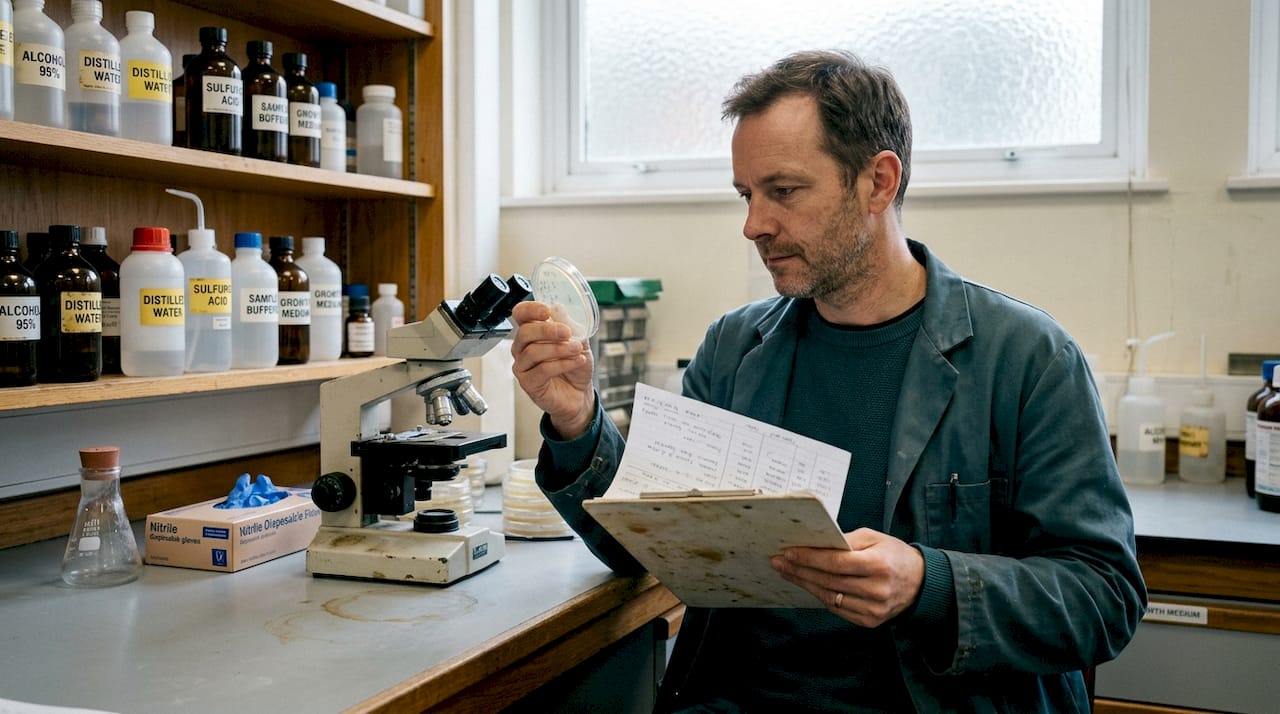
Sirtuins represent a family of proteins that regulate cellular health and longevity. SIRT1 activation by resveratrol influences DNA repair, mitochondrial function, and metabolic regulation. This pathway gained attention after studies linked caloric restriction’s benefits to sirtuin activity. However, debates continue about whether resveratrol directly activates SIRT1 or requires specific substrates and conditions.
The AMPK pathway responds to cellular energy status and helps regulate metabolism. Resveratrol’s influence here may improve insulin sensitivity and fat oxidation, though human evidence remains inconsistent. Nrf2 activation triggers antioxidant response elements, boosting the body’s natural defence systems against oxidative stress. This mechanism differs from direct antioxidant action, potentially offering more sustained protection.
NF-κB represents a master regulator of inflammation. Resveratrol’s ability to modulate this pathway explains observed reductions in inflammatory markers across various studies. The compound also promotes autophagy, your cells’ cleaning system that removes damaged components. This process becomes less efficient with age, making its enhancement theoretically beneficial for longevity.
Key biological effects include:
- Reducing reactive oxygen species through both direct scavenging and enhanced antioxidant enzyme expression
- Decreasing pro-inflammatory cytokines like TNF-alpha and IL-6 via NF-κB inhibition
- Enhancing mitochondrial biogenesis and function through PGC-1alpha activation
- Modulating cell death pathways to eliminate damaged cells whilst protecting healthy ones
- Influencing gene expression related to stress resistance and cellular repair
Pro Tip: The effects may differ widely based on dose and formulation. Low doses typically promote cellular protection, whilst excessively high doses can trigger toxic responses. This hormetic effect means more isn’t always better.
The complexity of these interactions explains why resveratrol shows promise in laboratory settings but produces variable results in humans. Dose, timing, individual metabolism, and tissue-specific effects all influence outcomes. Understanding what are sirtuins provides deeper insight into one of resveratrol’s primary targets.
The challenge of bioavailability and formulation
Bioavailability represents the critical bottleneck limiting resveratrol’s clinical effectiveness. Native resveratrol has low oral bioavailability (~1%) due to rapid metabolism, but micronized or modified forms improve plasma levels up to 4.8 times. This dramatic difference between absorption and systemic availability stems from extensive first-pass metabolism in the intestine and liver.
Your body rapidly converts resveratrol into glucuronide and sulfate conjugates through phase II metabolism. Whilst absorption from the gut reaches approximately 70%, these metabolites dominate blood levels within minutes. The unconjugated, potentially active form remains present at extremely low concentrations. This metabolic fate raises questions about whether conjugates possess biological activity or if the parent compound’s brief presence suffices.
Half-life presents another challenge. Standard resveratrol clears from circulation within 2-3 hours, limiting sustained exposure to target tissues. Enhanced formulations address this through various strategies: micronization reduces particle size for better dissolution, liposomal encapsulation protects against metabolism, and combination with piperine inhibits metabolic enzymes.
| Formulation type | Relative bioavailability | Peak plasma time | Half-life | Key advantage |
|---|---|---|---|---|
| Native resveratrol | 1x (baseline <1%) | 30-60 minutes | 1-3 hours | Lowest cost |
| Micronized | 3-5x improvement | 20-40 minutes | 2-4 hours | Better dissolution |
| Liposomal | 4-8x improvement | 45-90 minutes | 4-6 hours | Protected from metabolism |
| Trans-resveratrol with piperine | 2-4x improvement | 30-60 minutes | 3-5 hours | Enzyme inhibition |
| Pterostilbene (analogue) | 5-10x improvement | 60-120 minutes | 6-8 hours | Superior stability |
Practical implications matter for supplement selection. Standard capsules containing unformulated resveratrol powder likely deliver minimal systemic exposure despite high doses. Enhanced formulations, whilst more expensive, provide substantially better tissue exposure. This distinction explains why some users report benefits whilst others notice nothing.
Pro Tip: Choose supplements with scientifically validated enhanced formulations for better effects. Look for specific technology descriptions rather than generic claims.
High doses can trigger side effects regardless of formulation. Gastrointestinal discomfort, headaches, and potential drug interactions become more likely above 500mg daily. Some research suggests excessive doses may paradoxically impair rather than enhance metabolic function. The relationship between resveratrol vs pterostilbene bioavailability highlights why alternative compounds sometimes offer advantages.
What does science say about resveratrol’s benefits?
Clinical evidence presents a nuanced picture. Human trials show mixed results: some benefit for inflammation and pain relief in type 2 diabetes and postmenopausal women, limited evidence on longevity or insulin sensitivity. This inconsistency reflects the bioavailability challenges discussed earlier, variable study designs, and differences in populations studied.
Meta-analyses examining multiple trials reveal specific areas where evidence appears strongest. Inflammatory markers, particularly C-reactive protein, show modest reductions across several studies. Oxidative stress biomarkers improve in some populations, especially those with existing metabolic dysfunction. Skin health represents another area with promising data, particularly when combining oral supplementation with topical application.
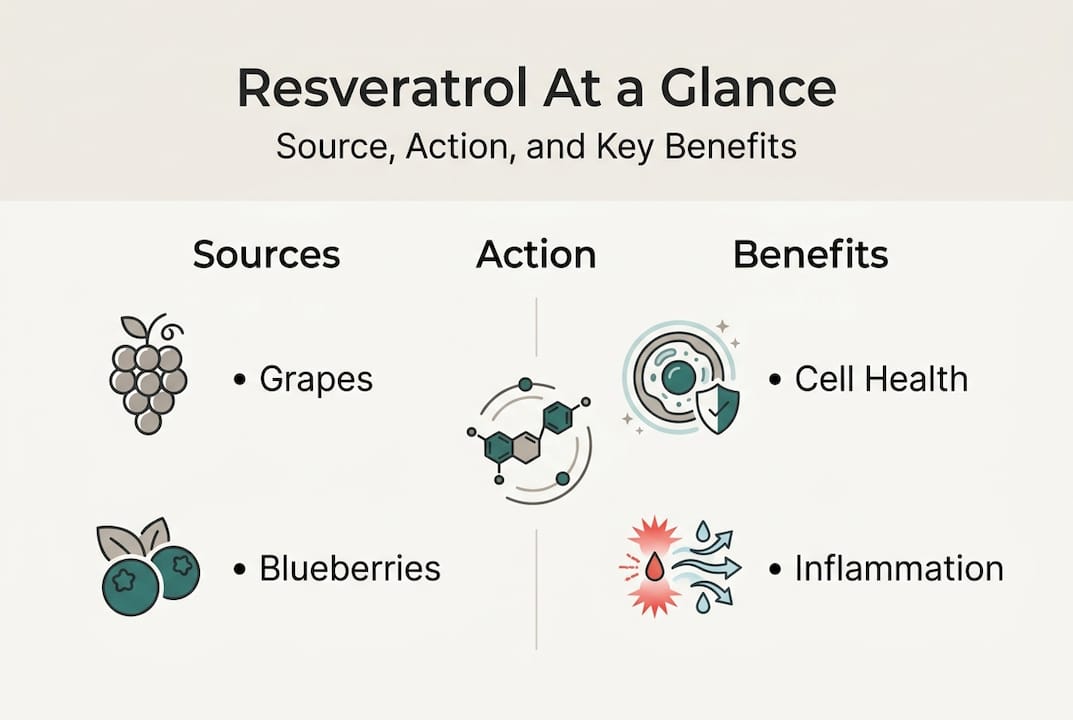
Bone health in postmenopausal women showed improvements in some trials, with reduced bone turnover markers suggesting potential osteoporosis benefits. Pain reduction appeared in studies involving knee osteoarthritis and diabetic neuropathy, though effect sizes remained modest. Cardiovascular benefits remain controversial, with some studies showing improved endothelial function whilst others found no significant changes.
The strongest evidence exists for:
- Inflammation reduction in metabolic syndrome and type 2 diabetes patients
- Skin ageing improvement with combined oral and topical use
- Bone turnover marker improvement in postmenopausal women
- Pain relief in specific inflammatory conditions
- Oxidative stress reduction in populations with elevated baseline levels
Longevity claims lack direct human evidence. Whilst animal studies demonstrate lifespan extension in various organisms, translating these findings to humans remains speculative. The doses used in animal research often exceed what humans can safely consume when adjusted for body weight and metabolism.
| Outcome measure | Number of trials | Effect size | Confidence level | Population |
|---|---|---|---|---|
| CRP reduction | 12-15 studies | Small to moderate (15-20% decrease) | Moderate | Metabolic syndrome |
| Insulin sensitivity | 8-10 studies | Minimal to none | Low | Mixed populations |
| Skin wrinkle depth | 4-6 studies | Moderate (20-30% improvement) | Moderate | Middle-aged adults |
| Bone density markers | 5-7 studies | Small (10-15% improvement) | Low to moderate | Postmenopausal women |
| Pain scores | 6-8 studies | Small to moderate | Moderate | Osteoarthritis, neuropathy |
The resveratrol paradox describes this disconnect between impressive laboratory effects and modest human outcomes. High biological activity in cell cultures doesn’t guarantee clinical efficacy when bioavailability limits tissue exposure. Some researchers argue that metabolites, rather than the parent compound, mediate benefits. Others suggest that brief exposure suffices to trigger beneficial gene expression changes.
Larger, well-designed trials remain necessary for definitive conclusions about longevity and disease prevention. Current evidence supports modest benefits for specific conditions rather than universal anti-ageing effects. Individual responses vary considerably, likely reflecting genetic differences in metabolism and baseline health status. Understanding how supplements for healthy aging 2026 fit together helps create comprehensive approaches.
Explore vital supplements including resveratrol at Vivetus
Vivetus offers scientifically supported supplements designed for those prioritising healthy ageing and sustained vitality. Our range includes enhanced resveratrol formulations developed to address the bioavailability challenges discussed throughout this article. Each product undergoes rigorous quality testing to ensure you receive compounds that may actually deliver the benefits research suggests.
Explore our Vivetus® resveratrol supplements featuring advanced delivery systems that improve absorption. These formulations combine trans-resveratrol with complementary compounds to enhance both bioavailability and biological activity. For comprehensive support, consider our energy and vitality bundle, which pairs resveratrol with synergistic nutrients targeting cellular energy and metabolic function.
Methylation support represents another crucial aspect of healthy ageing. Browse Vivetus® TMG supplements to discover how trimethylglycine works alongside resveratrol to support cellular processes. Free shipping on orders over €50 makes exploring these options more accessible.
Pro Tip: Browse formulations designed for better absorption and comprehensive anti-ageing support rather than focusing on single compounds alone.
What is resveratrol?
What exactly is resveratrol and why does it matter?
Resveratrol is a natural polyphenol compound produced by certain plants as a defence mechanism against stress and infection. It matters because laboratory research demonstrates its ability to activate cellular pathways linked to longevity, inflammation control, and antioxidant defence. However, its extremely low bioavailability means dietary sources provide insufficient amounts for therapeutic effects, making enhanced supplements the practical option for those seeking potential benefits.
How much resveratrol is safe to take daily?
Most clinical trials use doses between 150mg and 500mg daily, which appear safe for healthy adults over periods up to 12 months. Doses exceeding 1,000mg may cause gastrointestinal discomfort, headaches, or interact with blood-thinning medications. Pregnant women, those scheduled for surgery, and children should avoid supplementation due to insufficient safety data. Always consult healthcare providers before starting, especially if taking medications or managing chronic conditions.
Can you get enough resveratrol from food alone?
Realistic dietary intake falls far short of therapeutic doses studied in research. Red wine contains roughly 1-2mg per glass, whilst grape skins and blueberries provide even smaller amounts. Achieving the 150-500mg range used in trials would require consuming impractical quantities of these foods. Enhanced supplements offer the only practical method to reach doses associated with potential health benefits in clinical studies.
What benefits can you realistically expect from resveratrol?
Current evidence supports modest benefits for specific conditions rather than miraculous anti-ageing effects. You might experience reduced inflammation markers if you have metabolic syndrome, improved skin appearance when combining oral and topical use, or decreased pain in inflammatory conditions. Longevity benefits remain unproven in humans despite promising animal research. Individual responses vary considerably based on genetics, baseline health, and supplement formulation quality.
How do you choose a resveratrol supplement that actually works?
Prioritise products using enhanced delivery systems like micronization, liposomal encapsulation, or combination with absorption enhancers. Look for trans-resveratrol specifically, as this represents the active isomer. Third-party testing certificates verify purity and potency. Avoid products making exaggerated longevity claims unsupported by human evidence. Consider formulations combining resveratrol with complementary compounds like quercetin or pterostilbene for synergistic effects. Transparent labelling indicating exact doses and formulation technology suggests higher quality.
Does resveratrol interact with medications or other supplements?
Resveratrol may enhance blood-thinning effects of warfarin, aspirin, and similar medications, potentially increasing bleeding risk. It might interact with drugs metabolised by cytochrome P450 enzymes, affecting their efficacy or side effects. Combining with other supplements possessing blood-thinning properties requires caution. Some evidence suggests high doses could interfere with certain cancer treatments, though research remains preliminary. Always disclose supplement use to healthcare providers, especially before surgical procedures or when starting new medications.