

Healthy aging habits list: 2026 guide for seniors
TL;DR:
- Healthy aging habits include regular exercise, balanced nutrition, good sleep, and social engagement to support physical and mental health. Consistency and small lifestyle changes are more effective than perfection, with habits like daily movement and social connection making significant differences. Regular health check-ups and evidence-based supplements complement these practices for sustained vitality.
Healthy ageing habits are the lifestyle practices that sustain physical strength, mental clarity, and emotional wellbeing as you grow older. Exercise is the single most effective medical intervention for healthy ageing, yet it works best alongside nutrition, sleep, social connection, and proactive health monitoring. This healthy aging habits list draws on 2026 guidelines from the Australian Government Department of Health, Stanford Medicine, and Sinai Health to give you a clear, evidence-backed framework. Each habit below is practical, specific, and designed to help you maintain independence for longer.
1. meet the weekly physical activity targets
Older adults need at least 150 minutes of moderate-intensity aerobic activity each week. That translates to 30 minutes of brisk walking, swimming, or dancing on five days. This is the foundation of physical activity for seniors.
Aerobic exercise alone is not enough. The same Australian Government guidelines recommend muscle-strengthening activities on two or more days per week, plus balance and mobility training on three or more days. Each type of exercise addresses a different aspect of function, and combining strength, cardio, and balance produces benefits that no single mode delivers on its own.
- Aerobic: Walking, swimming, cycling, dancing (30 minutes, five days per week)
- Strength: Light resistance bands, bodyweight squats, or chair-based exercises (2+ days per week)
- Balance: Single-leg stands, heel-to-toe walking, tai chi (3+ days per week)
- Flexibility: Gentle stretching or yoga after each session
Pro Tip: Sit-to-stand exercises, where you rise from a chair without using your hands, build functional strength and directly improve your ability to perform everyday tasks.
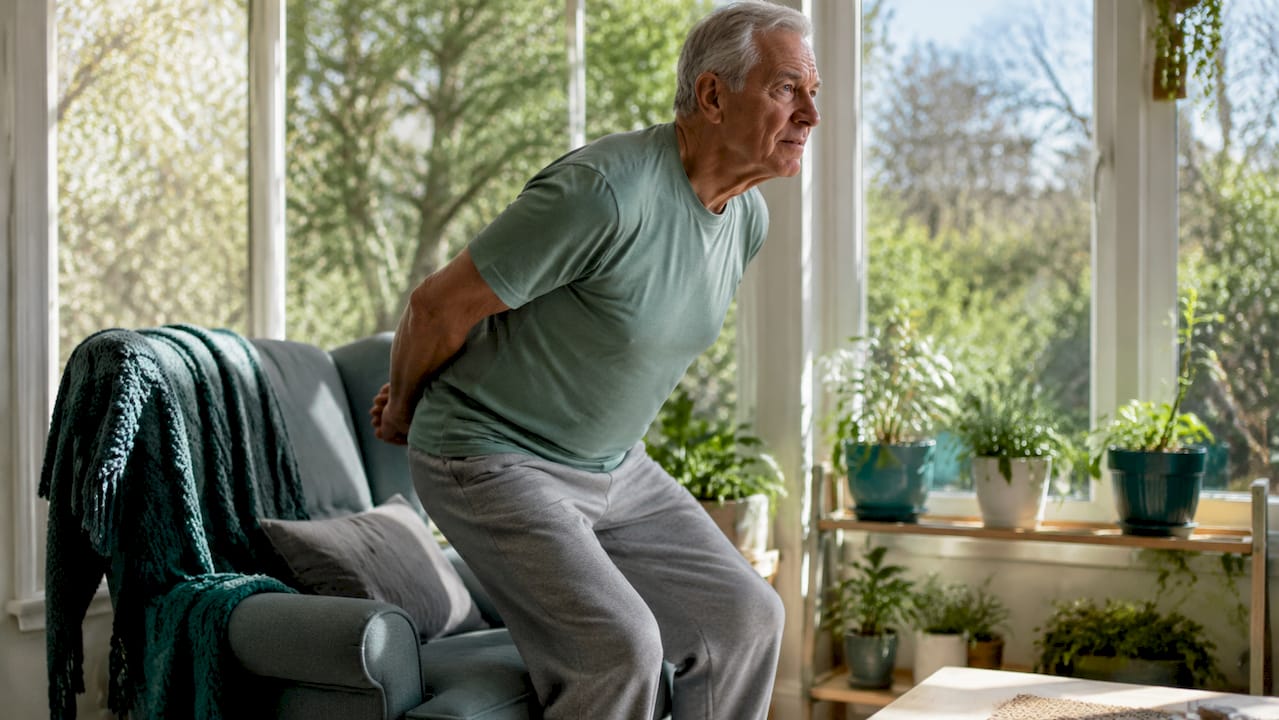
2. replace sedentary time throughout the day
Prolonged sitting is a risk in its own right. Replacing sedentary behaviour with light activity throughout the day delivers greater health benefits than long periods of sitting followed by a single intense session. This means standing up every 30–45 minutes, walking to the kitchen, or doing a short stretch between tasks.
The practical implication is straightforward. You do not need a gym to reduce sedentary time. A short walk after lunch, gardening for 20 minutes, or standing during a phone call all count. Small, frequent movements accumulate into meaningful daily activity.
3. build strength safely with light resistance
Heavy weights carry a real injury risk for older beginners. 12–20 repetitions with light resistance optimises joint stability and safety far better than low-repetition heavy lifting. Resistance bands, water bottles, or light dumbbells are sufficient starting points.
Strength training preserves muscle mass, supports bone density, and reduces the risk of falls. The goal is not to build bulk. It is to maintain the functional capacity to carry shopping, climb stairs, and get up from the floor without assistance.
4. prioritise balance training to prevent falls
Balance declines with age, but it responds well to targeted practice. Adults aged 51–75 who can balance on one leg for 10 seconds show improved mortality rates compared with those who cannot. That single data point illustrates how directly balance capacity connects to overall health.
Practical balance exercises include standing on one foot while brushing your teeth, walking heel-to-toe along a line, and practising tai chi. These require no equipment and can be done at home. Three or more sessions per week is the target.
5. follow a nutritious diet built around whole foods
A nutritious diet for older adults centres on foods your grandparents would recognise: whole grains, legumes, vegetables, fruit, lean proteins, nuts, and healthy fats. Ultra-processed foods, which include most packaged snacks, ready meals, and sugary drinks, displace the nutrients your body needs and increase inflammation over time.
Daily fibre intake of 25–31 grams supports gut health, blood sugar regulation, and cardiovascular function. Reaching that target through oats, lentils, broccoli, and wholemeal bread is straightforward when whole foods form the base of each meal.
- Lean proteins: Chicken, fish, eggs, tofu, legumes
- Whole grains: Oats, brown rice, wholemeal bread, quinoa
- Healthy fats: Olive oil, avocado, nuts, oily fish
- Fibre sources: Lentils, beans, vegetables, fruit, wholegrain cereals
Distribute protein evenly across meals rather than concentrating it at dinner. Muscle protein synthesis responds better to consistent intake throughout the day. A balanced diet for elderly adults that spreads protein across breakfast, lunch, and dinner supports muscle maintenance more effectively than a single large serving.
6. consider evidence-backed nutritional supplements
Whole food nutrition is the priority. Supplements fill specific gaps that diet alone may not cover, particularly for older adults with reduced absorption or restricted diets. Vitamin D, magnesium, and omega-3 fatty acids are among the most studied for ageing-related benefits.
Protein is especially important for healthy ageing because muscle mass declines progressively from the mid-40s onwards. A protein supplement can help you meet daily targets when appetite decreases or food variety is limited. Always choose products with transparent ingredient lists and evidence-backed formulations.
7. protect sleep quality with good hygiene habits
Adults aged 65 and over need 7–8 hours of quality sleep per night. Poor sleep accelerates cognitive decline, weakens immune function, and raises cardiovascular risk. Yet sleep quality is one of the most overlooked habits in a healthy lifestyle for seniors.
Good sleep hygiene is specific and practical. Expose yourself to natural daylight in the morning to regulate your circadian rhythm. Reserve the bedroom for sleep only, not television or reading. Reduce screen time in the hour before bed, as blue light suppresses melatonin production.
Pro Tip: A consistent wake time, even at weekends, is the single most effective way to stabilise your sleep cycle. Your body clock responds to regularity more than to any supplement or device.
8. maintain social connections actively
Social isolation increases both mortality risk and the likelihood of dementia. Social engagement for older adults is not a lifestyle luxury. It is a measurable health variable with direct effects on brain function and emotional resilience.
Practical ways to maintain connection include joining a local walking group, volunteering with a community organisation, attending a weekly class, or scheduling regular calls with family and friends. The medium matters less than the consistency. Aim for meaningful social contact several times each week.
9. attend regular health check-ups
Proactive health monitoring catches problems before they become serious. Adults in their 60s and 70s benefit from check-ups every 3–6 months to track blood pressure, hearing, and cognitive function. Annual visits are a minimum, not a target.
Home monitoring complements clinical visits effectively. A validated blood pressure monitor used consistently at home gives your GP a fuller picture than a single surgery reading. Tracking trends over weeks is more informative than any single measurement.
| Health Metric | Recommended Monitoring Frequency |
|---|---|
| Blood pressure | Monthly at home; every 3–6 months with GP |
| Hearing | Annual assessment from age 60 |
| Cognitive function | Annual screening from age 65 |
| Blood glucose | As advised by GP based on risk profile |
10. practise mindfulness and manage stress
Chronic stress accelerates cellular ageing and raises cortisol levels that suppress immune function. Mindfulness practices for ageing, including meditation, breathwork, and gentle yoga, reduce perceived stress and support emotional regulation. These are not passive activities. They require consistent practice to deliver measurable benefit.
Ten minutes of guided meditation each morning using apps such as Headspace or Calm is a practical starting point. Progressive muscle relaxation before sleep addresses both stress and sleep quality simultaneously. The evidence base for mindfulness in older adults is growing, with studies linking regular practice to lower blood pressure and reduced anxiety.
How the habits compare: prioritising your starting point
Not all habits deliver equal returns at every stage of life. The table below compares the five core areas by impact and ease of entry for most older adults.
| Habit | Primary Benefit | Ease of Starting |
|---|---|---|
| Physical activity | Fall prevention, muscle retention | Moderate |
| Nutrition | Energy, gut health, muscle mass | Moderate |
| Sleep hygiene | Brain health, immune function | High |
| Social connection | Dementia risk reduction, mood | High |
| Health monitoring | Early detection, medication accuracy | High |
Sleep hygiene and social connection are the easiest habits to start because they require no equipment and no physical exertion. Physical activity and nutrition take more planning but deliver the broadest range of evidence-backed gains. The most effective approach is to start with one habit, build consistency over two to three weeks, and then add the next.
Key takeaways
The most effective approach to healthy ageing combines regular physical activity, balanced nutrition, quality sleep, social connection, and proactive health monitoring as a unified daily practice.
| Point | Details |
|---|---|
| Exercise is foundational | Aim for 150 minutes of aerobic activity weekly, plus strength and balance training. |
| Nutrition centres on whole foods | Target 25–31g of fibre daily and distribute protein evenly across meals. |
| Sleep quality is non-negotiable | Adults 65+ need 7–8 hours; consistent wake times and daylight exposure support this. |
| Social connection protects the brain | Regular meaningful contact reduces dementia risk and supports emotional health. |
| Health monitoring catches problems early | Check-ups every 3–6 months for those in their 60s and 70s are the recommended standard. |
What i have learnt about habits that actually stick
After years of reading the research and speaking with people who are genuinely ageing well, one pattern stands out clearly. The people who maintain their vitality into their 70s and 80s are not the ones who followed a perfect programme. They are the ones who built small, consistent habits and adapted them as their circumstances changed.
The biggest mistake I see is treating physical activity as the only variable that matters. Sleep and social connection are just as important, and they are far easier to start. If you are currently sedentary and overwhelmed by the idea of a full exercise routine, begin with a 20-minute walk and a regular phone call with someone you care about. That combination alone addresses three of the five core habit areas.
The other thing worth saying plainly: these habits support each other. Better sleep improves your motivation to exercise. Regular exercise improves your sleep. Social engagement reduces stress, which in turn supports both nutrition choices and sleep quality. You are not building five separate habits. You are building one interconnected way of living.
Start where you are. Adjust as you go. Consult your GP before making significant changes to your exercise or supplement routine, particularly if you manage a chronic condition. The goal is not perfection. It is consistency over years, not weeks.
— Jord
Support your healthy ageing with Vivetus
Building the habits above is the hard part. Getting the right nutritional support alongside them should be straightforward.

Vivetus specialises in scientifically-backed dietary supplements and nutritional products designed specifically for healthy ageing and vitality. Whether you are looking to support muscle maintenance, fill nutritional gaps, or complement a balanced diet, the Vivetus nutritional supplements guide covers evidence-based options tailored for older adults. Explore the full range of products and lifestyle resources at Vivetus, with free shipping on orders over €50.
FAQ
How many hours of exercise do seniors need weekly?
Older adults need at least 150 minutes of moderate aerobic activity per week, plus strength training on two or more days and balance exercises on three or more days, according to the Australian Government Department of Health.
What foods are most important for healthy ageing?
Whole grains, lean proteins, legumes, vegetables, fruit, and healthy fats form the core of a nutritious diet for older adults. Aim for 25–31 grams of fibre daily and distribute protein evenly across meals.
How much sleep do adults over 65 need?
Adults aged 65 and over need 7–8 hours of quality sleep per night. Good sleep hygiene, including morning daylight exposure and a consistent wake time, supports both brain and heart health.
Does social activity really affect health in older age?
Social isolation increases mortality risk and the likelihood of dementia. Regular meaningful contact with friends, family, or community groups is a measurable protective factor for cognitive and emotional health.
When should older adults see their GP?
Adults in their 60s and 70s benefit from health check-ups every 3–6 months to monitor blood pressure, hearing, and cognitive function. Annual visits are a minimum baseline, not an optimal target.